
The Pressures of the Cold War
The IPCRESS FileThe novel’s kidnappings, bomb research, and competing intelligence services show how Cold War competition reaches into ordinary lives.
increasing Bearing strength in each event
 decreasing
Bearing strength in each eventdecreasingScientists as Strategic Assets

Scientists as Strategic Assets
Expertise Under Threat
The disappearance of senior British scientists places technical knowledge at the center of national security. Raven’s expertise matters as much as his physical freedom because states fear what he knows.
People Behind the Files
The scientists are discussed through clearance levels and institutional value, yet their removal disrupts personal lives and public confidence. The state’s language makes individuals appear as assets before it considers them as people.
The missing-scientist case introduces the human scale of strategic competition.
A Global Technical Contest
A Global Technical Contest
Weapons and Detection
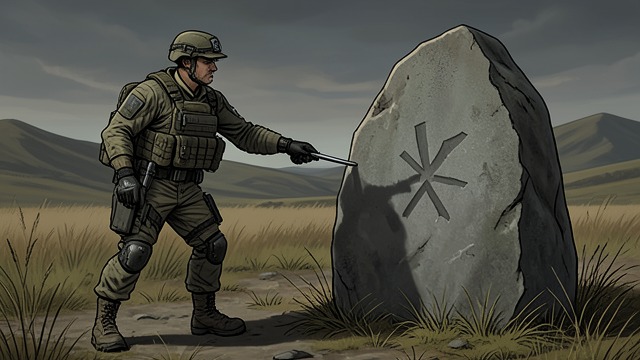
American officers describe competing methods for constructing and detecting nuclear weapons. The struggle includes sensors, signals, and the interpretation of scientific measurements.
A Race Without Boundaries
Research intended for one test can affect the calculations of multiple states. The island’s isolation cannot contain the political consequences of what is discovered there.
The technical briefings show how science becomes an arena in which civilian and military knowledge overlap.
Allies Watching Allies
Allies Watching Allies
Suspicion Across Services
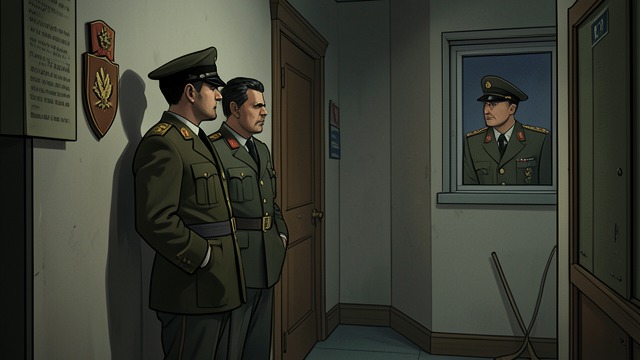
American and British personnel monitor one another even while cooperating on the test. Their shared purpose does not erase fear of leaks or concealed agendas.
Friendship Under Observation
Skip and Barney appear under watch, and the narrator cannot know whether surveillance is protective or coercive. Cold War competition enters private interactions through guards, coded conversation, and restricted access.
The novel presents alliance as a negotiated condition rather than a stable bond.
A Weapon Hidden in a Test

A Weapon Hidden in a Test
Official and Secret Purposes
The test’s public explanation conceals a smaller neutron-bomb experiment and a high-speed observation system. The competing powers seek not only weapons but knowledge of how those weapons work.
Strategic Deception
False explanations, altered surveillance, and planted evidence allow the same operation to create both scientific information and a political accusation. Technological achievement becomes inseparable from the manipulation of allies.
The test shows that Cold War security can turn a research site into a stage for several hidden conflicts at once.
Peace Without Closure

Peace Without Closure
A Local Victory
The British operation arrests many members of the network and prevents the immediate plan from continuing openly. Yet the affected people and compromised institutions remain.
A Continuing Contest
Jay retains a role, Henry remains unidentified, and some conditioned contacts continue to report under false assumptions. The intelligence struggle has changed form rather than disappeared.
The novel closes on a Cold War world where a successful operation cannot deliver lasting certainty or peace.
At the opening, during reports of missing specialists
During the Tokwe technical conferences
During the narrator’s first days at Tokwe
On the night before the Tokwe explosion
At the end, after the network is exposed
